


What Is the Vaganova Method?
At the beginning of the last century, Diaghilev, one of Russia’s most influential organizers, came to Paris for several seasons with a star group of Russian ballet dancers to give performances. At that time, ballet was not given much importance in Europe. However, the Russian ballet stars in Paris made their name known throughout Europe through the success of their performances. Interest in the art of ballet first increased in Europe and then in America, and the fame of Russian ballerinas spread all over the world. Since then, the Russian ballet education system has become widely recognized around the world.
During those years, the famous ballet teacher Agrippina Vaganova documented the Russian ballet education system and developed her ballet method. After this method was published in Europe, ballet teachings based on this approach began to be known as the Vaganova System. Many important and renowned ballet stars have been trained through this system, and it continues to educate successful dancers today.
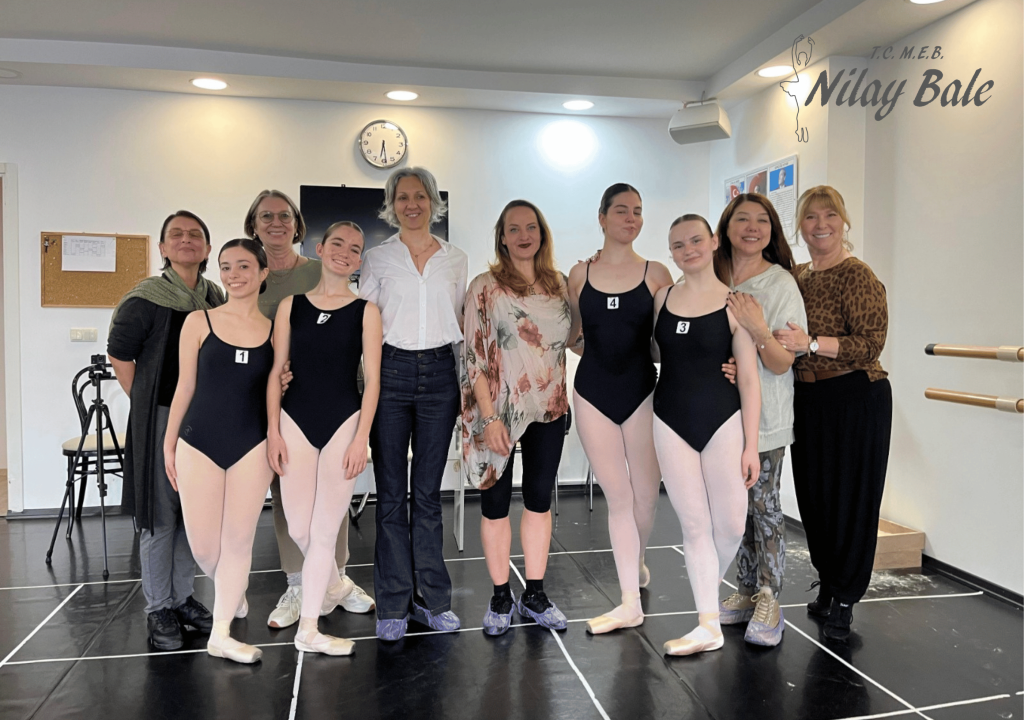
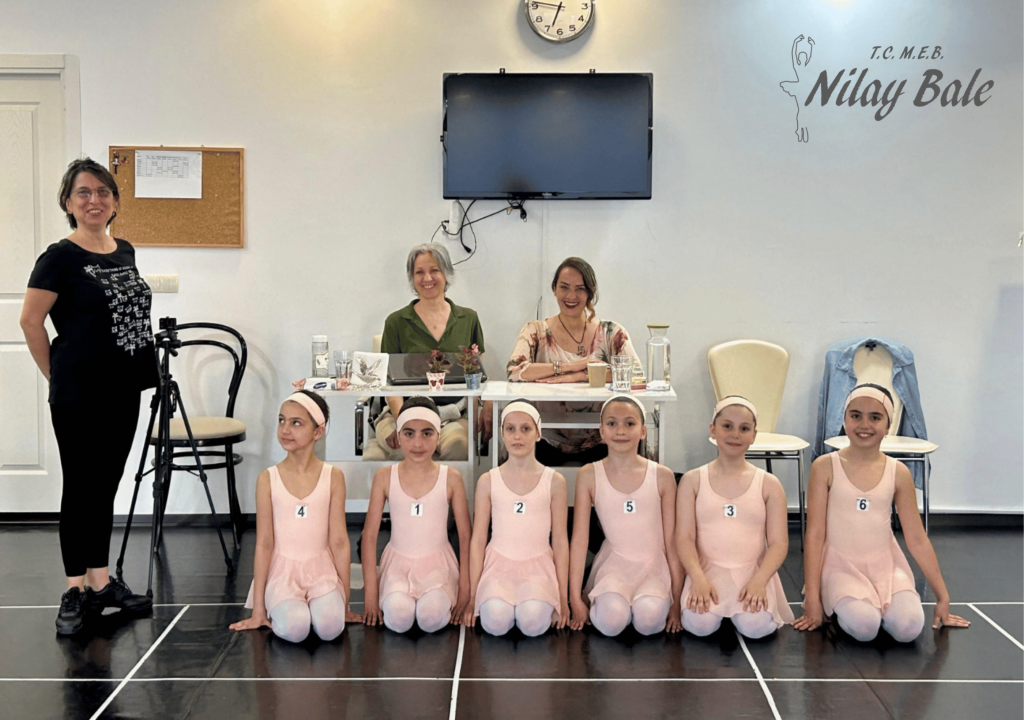
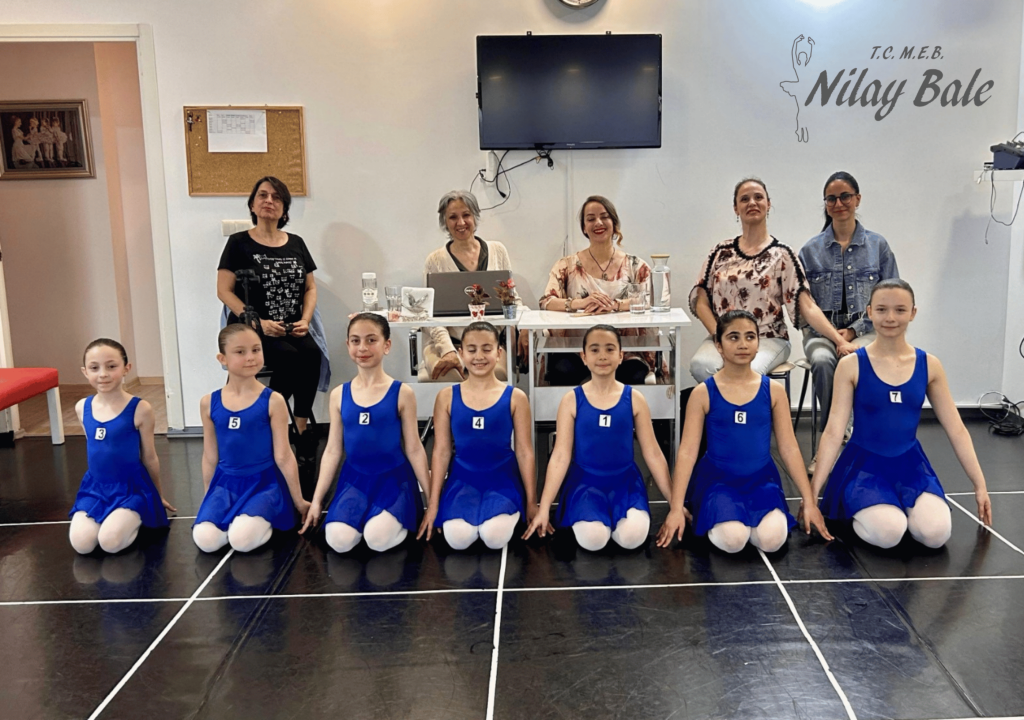
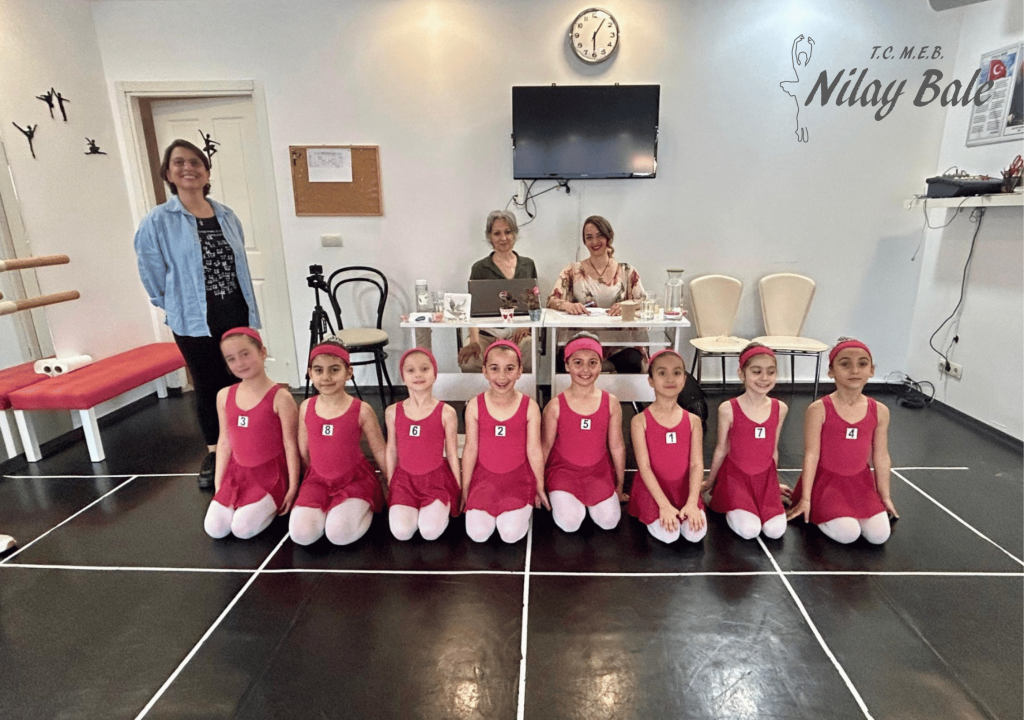
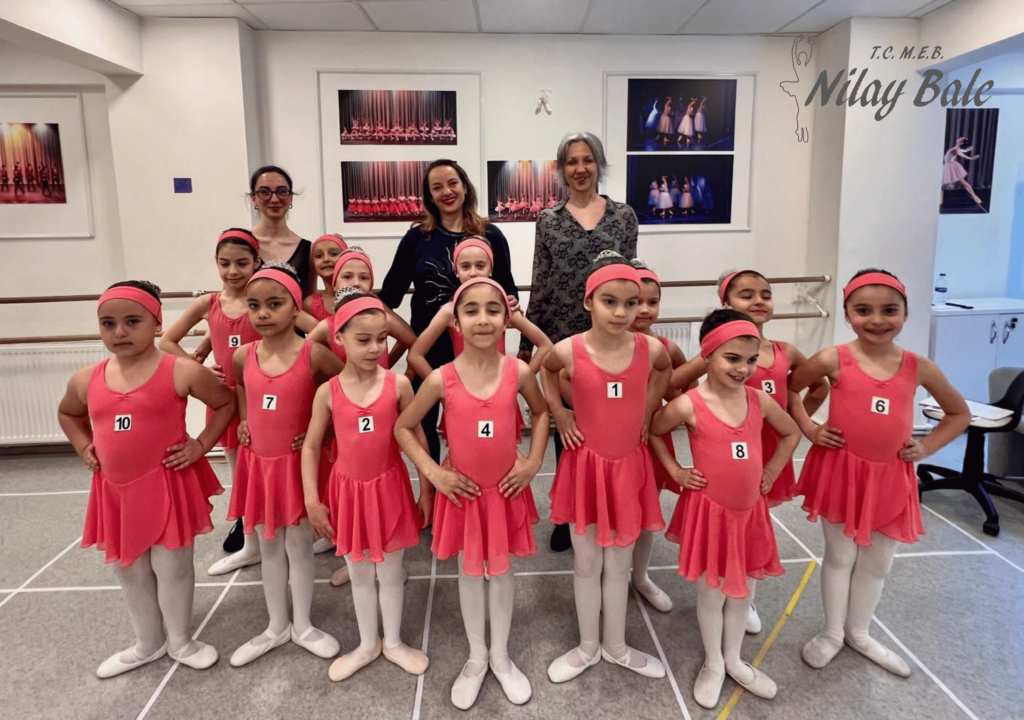
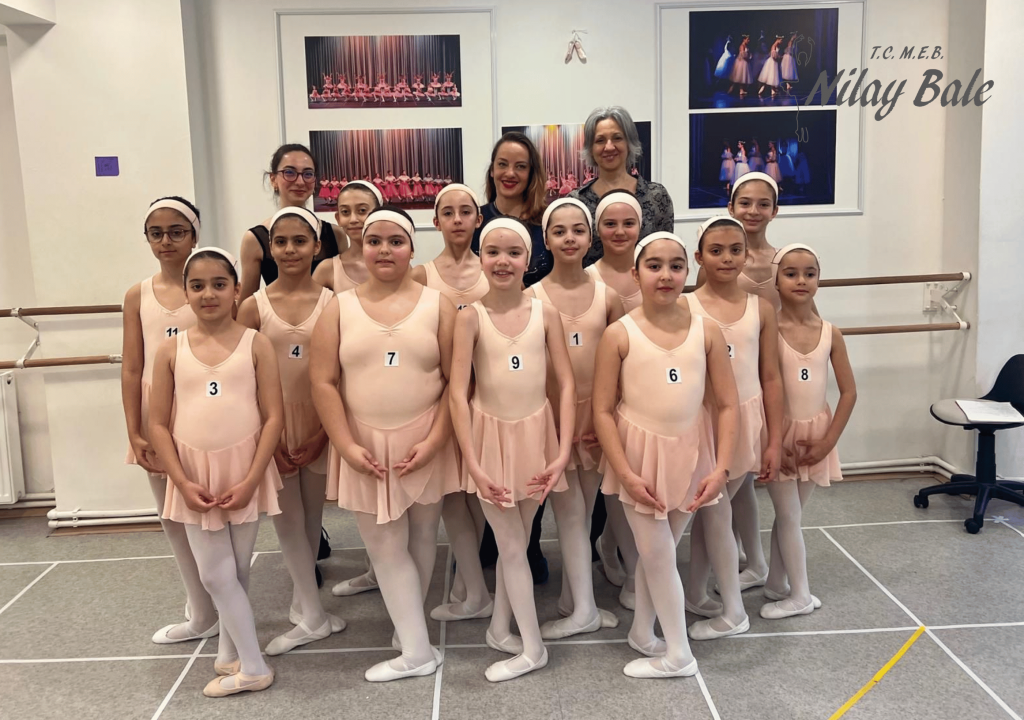
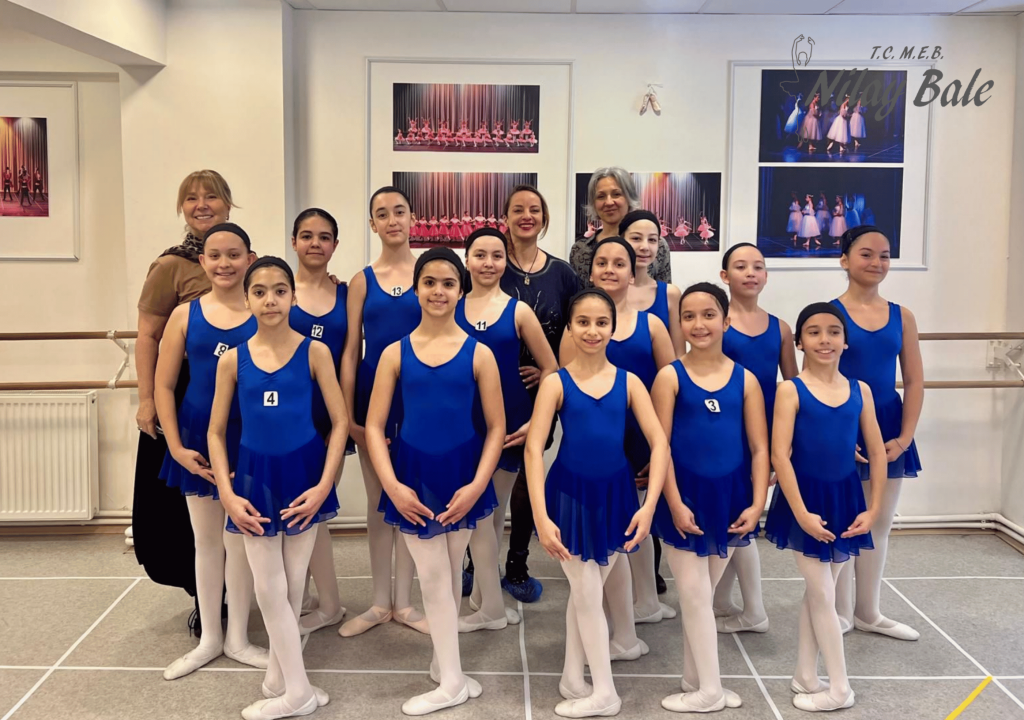
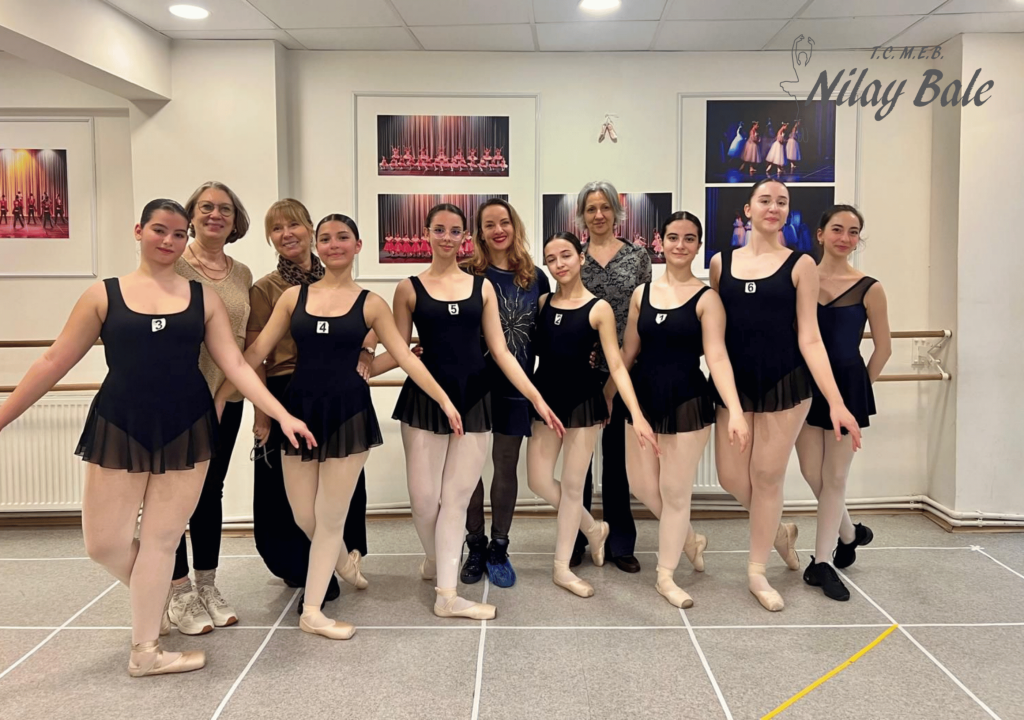
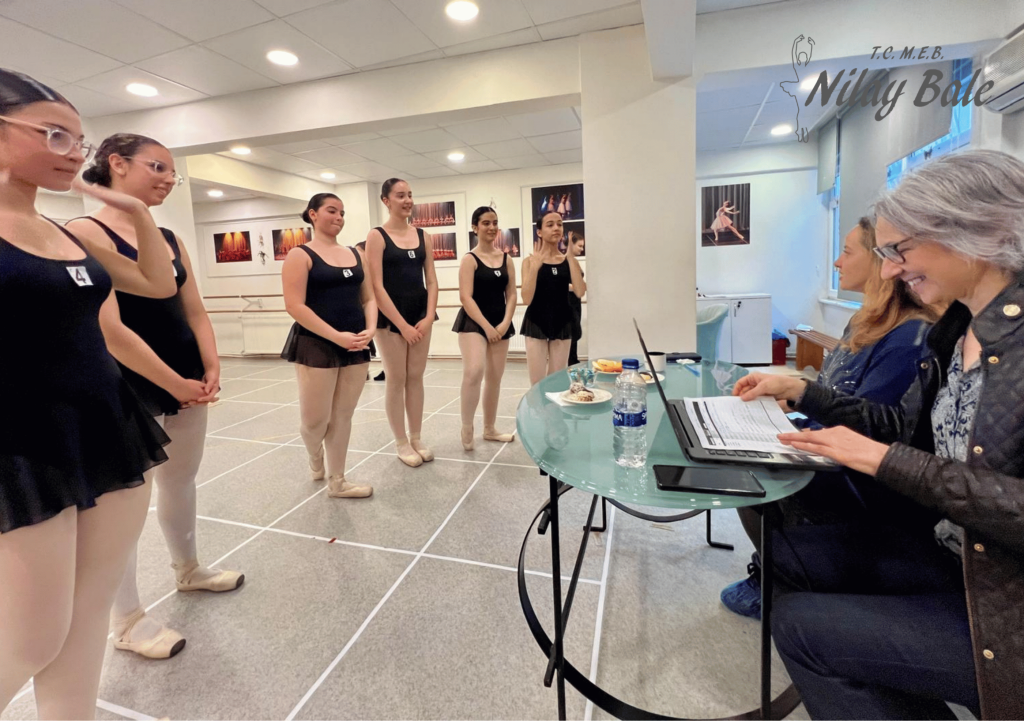
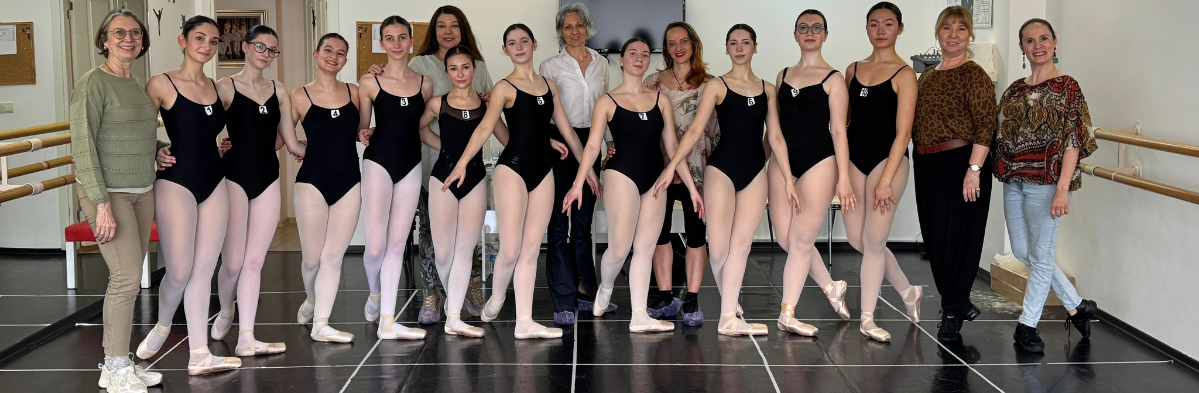
Vaganova Examination System
The Vaganova System, a professional ballet training system, has been adapted to determine and certify the level of each student between the ages of 4 and 18. Ballet students who successfully pass the examinations are entitled to receive a Grade Achievement Certificate from the Ballet Arts Department of the Sofia National Academy of Music. The level at which a student will take the examination is determined by their own teacher according to the student’s age and competency.
Students who achieve the highest success score at the final level earn the right to study at the Ballet Arts Department of the Sofia National Academy of Music without taking the entrance examination.
The training for each grade lasts two years and is divided into A and B levels. Level A evaluates the first year, while Level B evaluates the second year. The examinations are conducted by a committee consisting of academics from the Ballet Department of the Sofia National Academy of Music. Examination dates are determined by the coordinators according to the registration of the participating groups.